March 3, 2026
In the backdrop of cozy fireplaces and wood-burning stoves lies an often overlooked yet critical role: the chimney sweep. These professionals are essential in ensuring that chimneys function safely and efficiently, preventing potential fires and health hazards. Across the United States, nearly 25,000 chimney fires occur annually, according to the National Fire Protection Association, many of which stem from neglected maintenance and cleaning. This statistic underscores the importance of regular professional inspections and cleaning. With that in mind, let's explore how a professional chimney sweep contributes to fire prevention, helping keep your home safe and warm.
Identifying and Removing Creosote Buildup
What is Creosote?
Creosote is a byproduct of burning wood in fireplaces and stoves, consisting of residue that can accumulate on the walls of chimneys. Three stages of creosote exist, each progressively more dangerous and harder to clean. The first stage is flaky and easy to remove, while stage two becomes tar-like, and the final stage is hard, shiny, and highly flammable. Accumulated creosote can restrict airflow and significantly increase the risk of a chimney fire. Regular cleaning by a professional is crucial to preventing excessive buildup.
Dangers of Creosote Accumulation
Creosote buildup is dangerous because this material is highly combustible. If chimney walls collect significant amounts of creosote, even a small spark can ignite it, potentially causing a chimney fire. These fires can reach temperatures up to 2,000 degrees Fahrenheit, damaging the chimney's structure and posing a severe risk to the home's safety.
Beyond the immediate risk of fire, creosote buildup can also damage the chimney over time. As it accumulates and hardens, it can cause corrosion of metal components, deterioration of masonry, and weakening of flue liners. This structural damage not only compromises the chimney's efficiency but also increases the likelihood of dangerous gases, like carbon monoxide, leaking into the home. Addressing creosote early with professional cleaning helps protect both your chimney's integrity and the safety of everyone in the household.
Methods for Creosote Removal
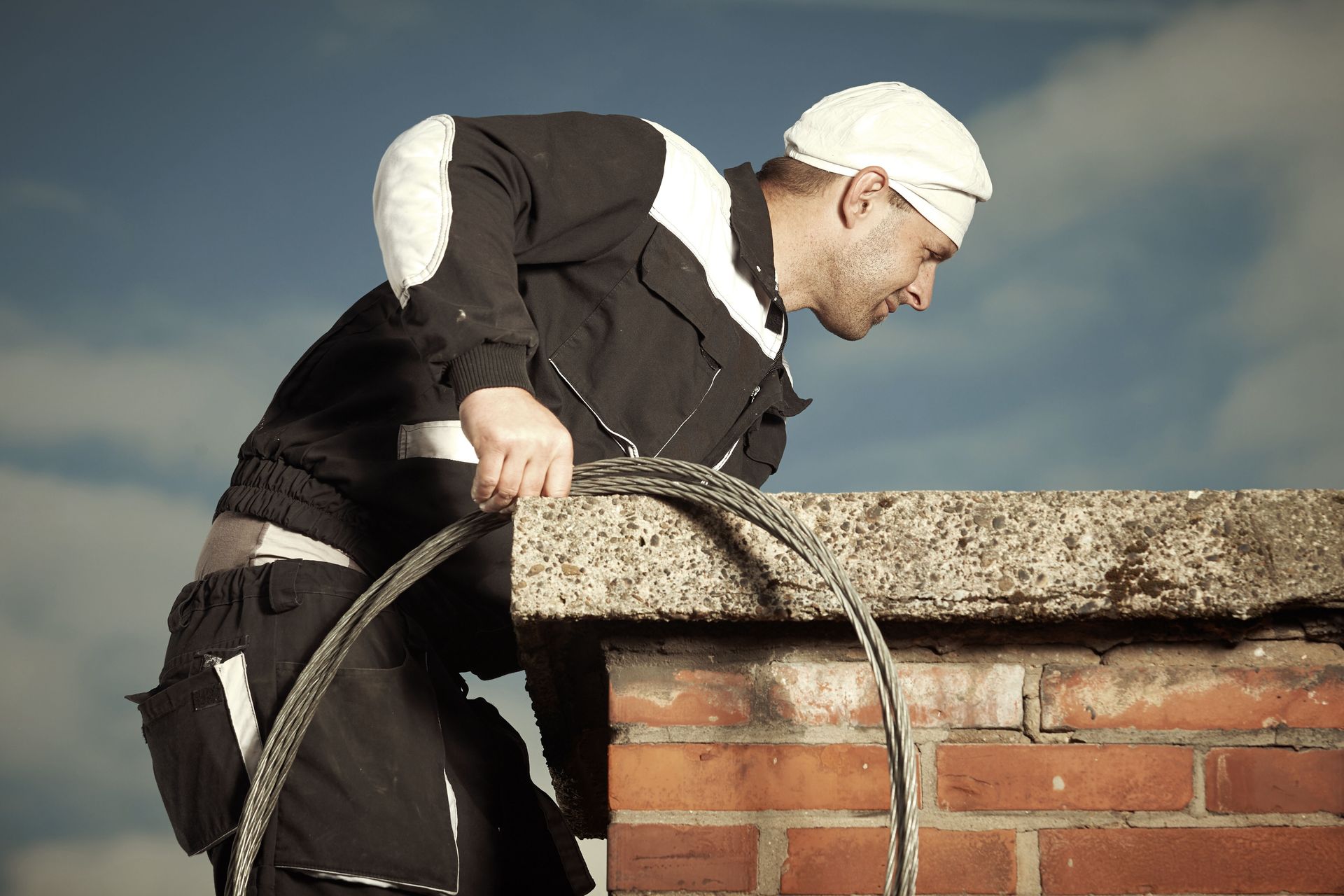
Several methods exist for removing creosote, with the appropriate choice depending on the level of buildup. For lighter, stage one creosote, chimney brushes can effectively scrub away flakes. In cases of significant creosote buildup, more advanced methods such as chemical treatments or mechanical rotary sweep systems may be required. Rotary systems involve using mechanically powered brushes to dislodge hard deposits. A professional chimney sweep can determine the best method for safe and effective creosote removal during their inspection.
Improving Chimney Ventilation
Significance of Proper Ventilation
Proper ventilation is crucial for ensuring that smoke and harmful gases are efficiently expelled from the home. Without this, smoke and carbon monoxide can seep into living areas, posing health risks to residents. Additionally, poor ventilation can negatively impact the efficiency of the fireplace, leading to less effective heating and increased costs. Good ventilation also reduces the buildup of creosote, as more efficient combustion means fewer residues. Ensuring that chimneys are correctly vented is a key safety and efficiency measure.
Identifying Ventilation Problems
Common signs of ventilation problems include excessive smoke backing up into the home and difficulty in igniting or maintaining a fire. Other indicators may include the appearance of soot buildup around the fireplace or a strong odor of smoke, even when the fireplace isn't in use. These symptoms suggest that the chimney isn't drawing air properly, necessitating a chimney sweep's expertise. A professional chimney sweep can conduct thorough inspections to pinpoint the source of the issue, often attributed to blockages or inadequate structural features. Prompt identification and remedy of these problems are crucial for maintaining safety and efficiency.
Corrective Measures and Solutions
There are several approaches to improving poor ventilation within chimneys. Technicians may need to clear blockages, such as animal nests, or remove obstructions like excessive soot. Structural modifications, such as adjusting chimney height or adding flue liners, can also improve airflow. Draft-enhancing equipment like chimney caps can be installed to help draw air more effectively through the system. Professionals often combine these elements to optimize ventilation based on individual situations.
Detecting Structural Issues Early
Common Structural Problems
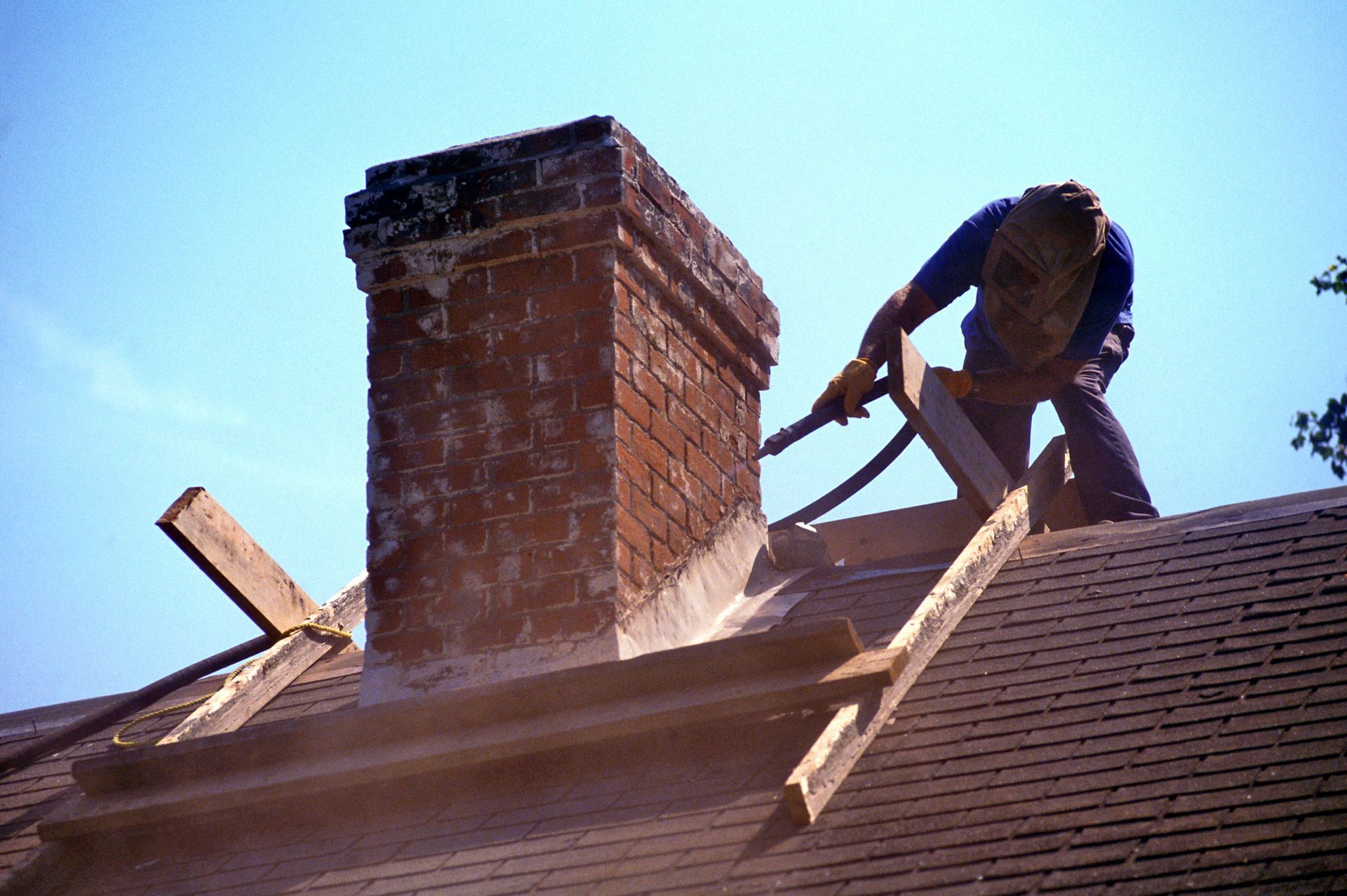
Chimney structures can suffer from various types of wear and damage, such as cracks and damaged flue liners. These issues can compromise the chimney's integrity, increasing the risk of fire and exposure to harmful gases. Environmental factors like weather and temperature fluctuations can accelerate damage over time. Regular inspections by professionals are vital to catching these problems before they worsen. Early detection allows for timely interventions, helping maintain the chimney's functionality and lifespan.
Inspection Techniques for Damages
A chimney sweep uses a variety of inspection methods to identify structural damage. Visual inspections assess accessible parts of the chimney for obvious damage. For a more thorough examination, sweeps can use video cameras, guiding them through the chimney flue to capture real-time footage. This footage reveals hidden issues, such as interior cracks and blockages that aren't visible from a simple visual check. These technologies ensure that inspections are comprehensive, guiding the repair strategies tailored to each situation.
Repair vs. Replacement Strategies
Determining whether to repair or replace damaged chimney components depends on the extent of the damage. Smaller issues, such as minor cracks, may be resolved with sealing or reinforcements. More extensive damage, such as significant structural failure, might necessitate complete parts replacement, such as a new liner or chimney stack rebuild. The final decision relies on the chimney sweep's professional assessment, considering safety, cost-effectiveness, and longevity. Regular maintenance reduces the need for costly repairs or replacements, ultimately saving homeowners money.
Educating Homeowners on Best Practices
Fire Safety Tips
Homeowners should be proactive about fire safety measures to ensure a safe and enjoyable fireplace experience. It's important to use seasoned wood, ensuring more complete combustion with reduced creosote production. Keeping flammable materials away from the fireplace area decreases the risk of accidental fires. A professional chimney sweep can explain these tips more thoroughly during routine inspections, tailored to the homeowner's chimney system. Proper use and basic awareness substantially mitigate fire risks within the home.
Proper Chimney Usage
Chimney systems require proper usage to maintain their safety and function. Educating homeowners on correct operation ensures fireplaces work effectively, without unnecessary risks. For instance, understanding how to achieve adequate drafts or when to close dampers can impact safety and efficiency. Professionals can offer guidance during maintenance visits, covering best practices and addressing homeowner-specific questions. Continuous education helps residents avoid common mistakes that often lead to problems down the road.
Recognizing Warning Signs
Homeowners equipped with the knowledge to recognize early warning signs of chimney issues can prevent potential disasters. Awareness of symptoms such as smoke backup, unusual odors, or visible soot accumulation prompts timely professional intervention. By staying vigilant, homeowners can address minor problems before they become serious. Regular inspections reinforce this vigilance, with professionals providing reassurance through expert evaluations. Together, these efforts form a crucial first line of defense against chimney-related hazards.
Professional chimney sweeps play an essential role in home safety and maintenance. Their ability to conduct comprehensive inspections, remove hazardous creosote, and identify ventilation or structural issues helps prevent chimney fires and other related risks. Homeowners benefit financially and in peace of mind when engaging these professionals for regular maintenance. There is no substitute for the nuanced expertise and tools that the professionals at 603 Chimney & Dryer Vent bring to the table, keeping homes safe and warm.